
Do I Need a Landscape Designer or Landscape Contractor?
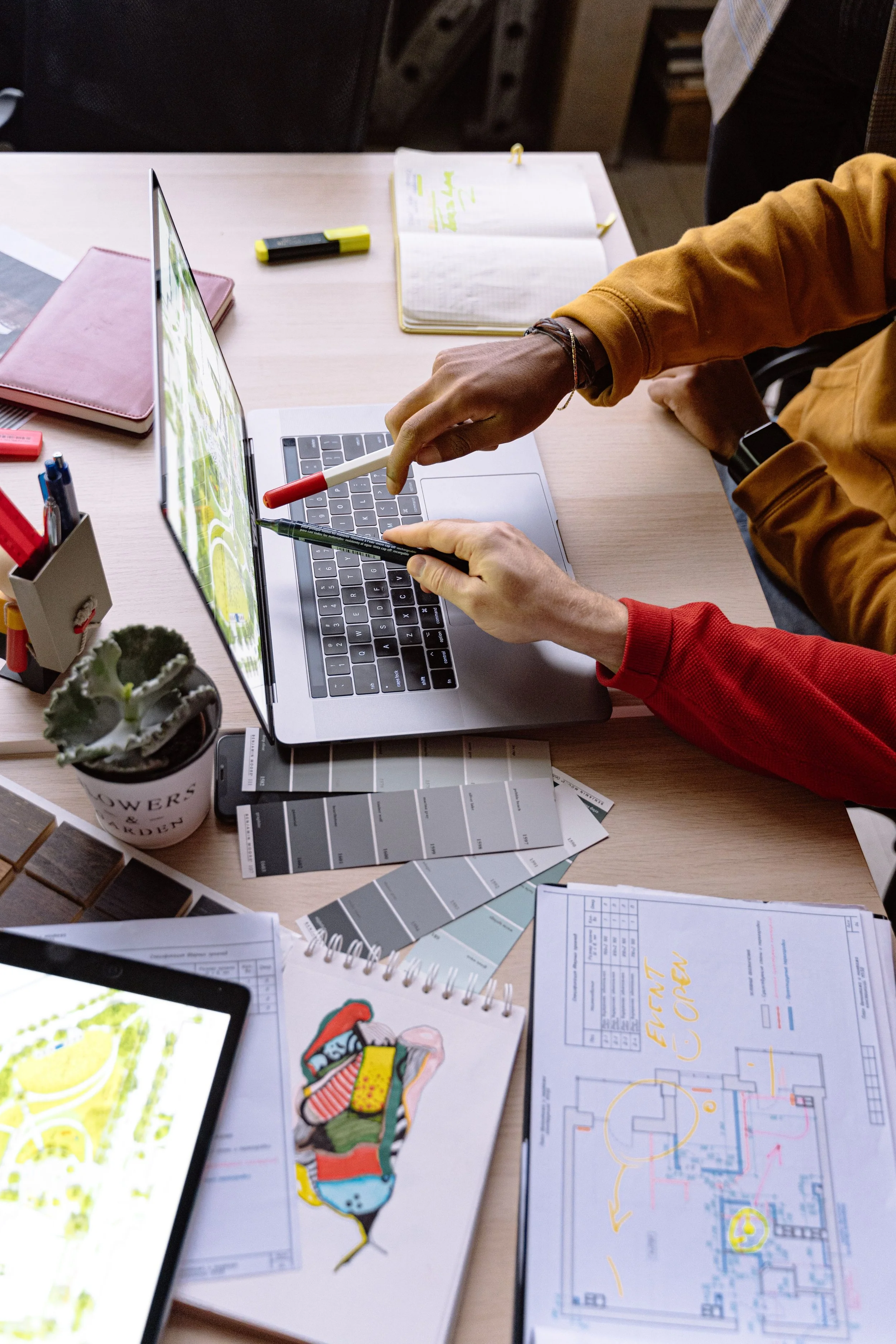
If you're planning to redo your yard, you may be wondering:
Do I need a landscape designer or a landscape contractor?
The simplest answer is:
A landscape designer helps you decide what to build. A landscape contractor helps you build it.
If you already know exactly what you want and simply need someone to install it, a contractor may be enough.
But if you're still asking questions like:
Where should the patio go?
How large should the fire pit area be?
What should I do with this awkward corner?
How can I add more shade?
Where would an outdoor kitchen work best?
Why does my yard feel disconnected?
What plants would work with my home?
How can all of these ideas fit together?
You're probably still in the design phase.
And that's where a landscape designer can be especially valuable.
For larger landscape projects, homeowners often benefit from using both — developing the design first and then bringing in the appropriate contractor to build it.
Quick Answer: Landscape Designer vs. Landscape Contractor
Hire a landscape designer if you need help figuring out what your yard should become.
Hire a landscape contractor if you already have a clear direction and need someone to build or install it.
For a larger yard renovation, you may ultimately need both:
Design first. Construction second.
What Does a Landscape Designer Do?
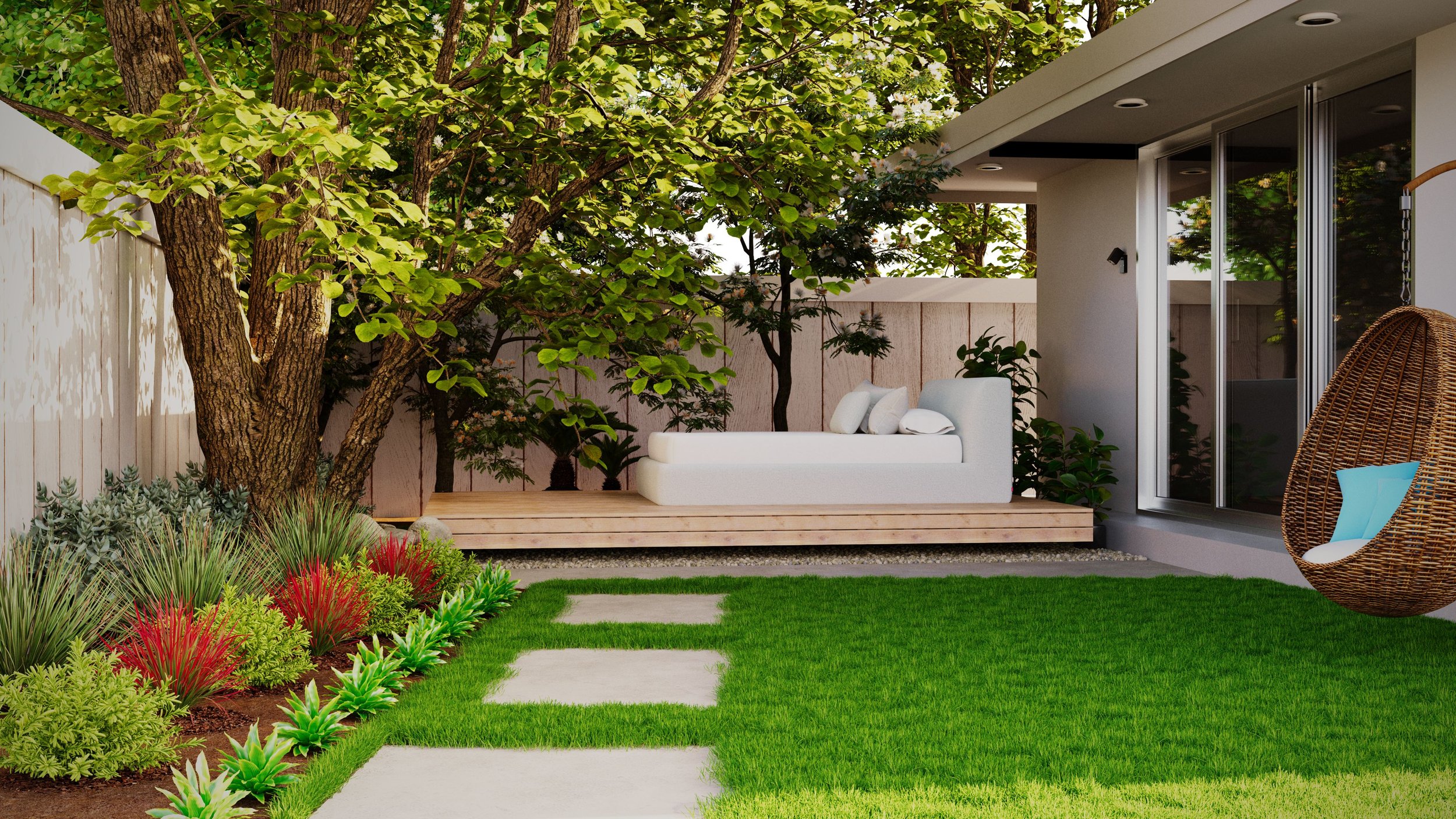
A landscape designer focuses primarily on the planning, organization, appearance, and experience of your outdoor space.
Instead of immediately asking how something should be constructed, the designer starts with a different set of questions:
How should this yard work?
How should it feel?
How should people move through it?
What should you see when you walk outside?
How should one outdoor space connect to another?
A landscape designer may help determine:
Overall yard layout
Patio placement
Outdoor living areas
Fire pit locations
Outdoor kitchen locations
Shade opportunities
Walkways and circulation
Planting concepts
Trees and screening
Artificial turf locations
Material direction
Furniture placement
Focal points
Views from inside the home
How different areas of the yard relate to one another
Depending on the service, a designer may also create landscape plans, 3D renderings, material palettes, planting concepts, and other visualizations that allow you to understand the design before construction begins.
The designer's job is ultimately to create a clear vision for the space.
What Does a Landscape Contractor Do?
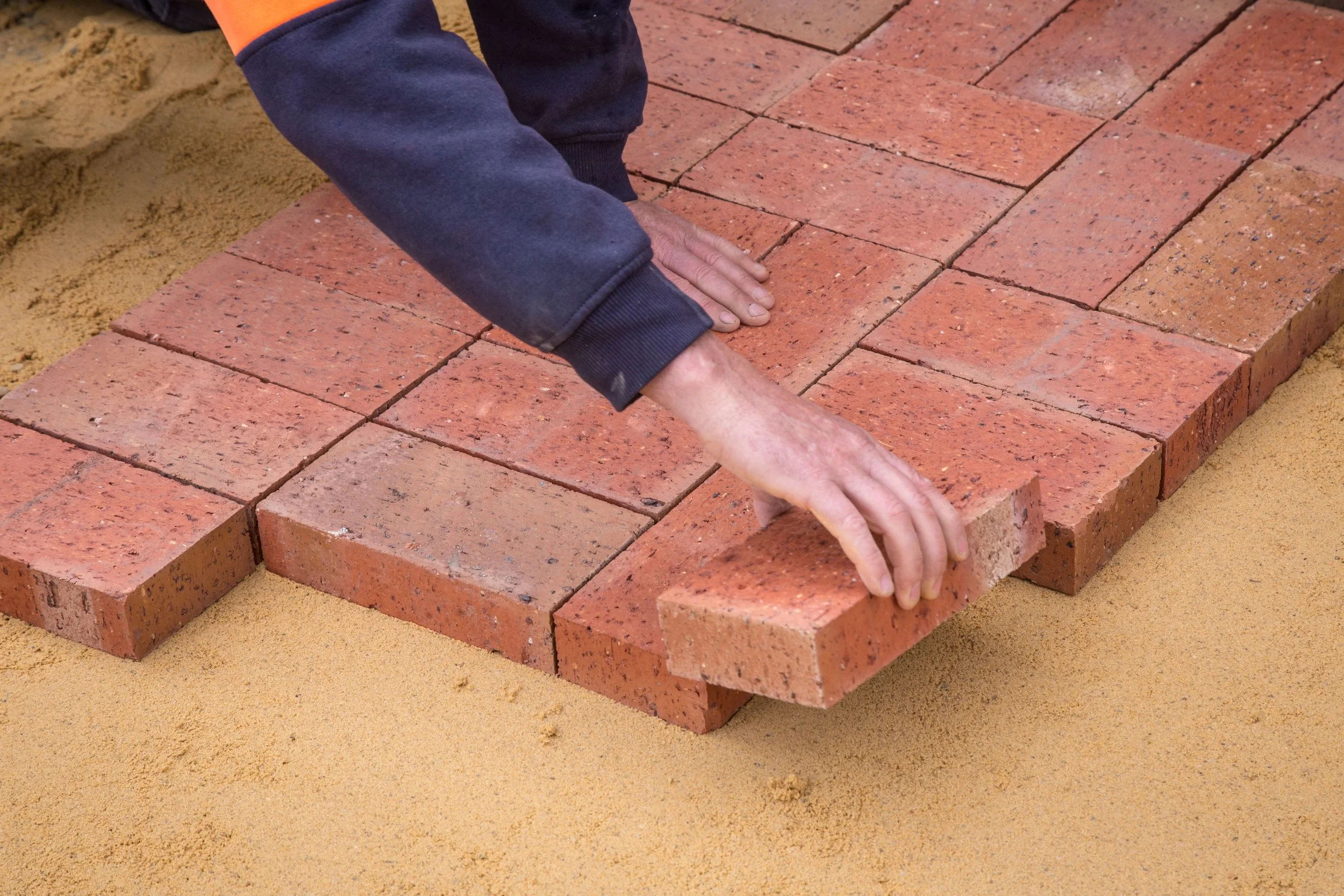
A landscape contractor focuses on installation and construction.
Once the direction for the yard has been established, contractors and specialty trades are the people who turn those ideas into reality.
Depending on the project, that might include:
Demolition
Grading
Irrigation
Pavers or concrete
Gravel
Plant installation
Artificial turf
Landscape lighting
Walls
Fire features
Drainage improvements
Decks
Other outdoor improvements
In Arizona, construction work may require appropriately licensed contractors depending on the scope of the project.
That's why a good contractor is such an important part of bringing a landscape design to life.
But the contractor's primary role is typically building the project, while the designer's role is helping establish what should be built and how the different pieces should work together.
Landscape Designer vs. Landscape Contractor: What's the Difference?

Think about remodeling a kitchen.
You might first determine:
The layout
Cabinet style
Materials
Lighting
Colors
Appliance locations
How the room should function
Then contractors and tradespeople actually install the cabinets, electrical, plumbing, flooring, countertops, and appliances.
Landscape projects can work similarly.
The designer develops the idea.
The contractor executes the idea.
There can certainly be overlap. Some landscape contractors provide design services, and some design-build companies handle everything under one roof.
But design and construction are still two different parts of the process.
Understanding that distinction can help you decide where your project should begin.
When Should You Hire a Landscape Designer First?

You should strongly consider beginning with a landscape designer if you're not completely sure what the finished yard should look like yet.
Here are a few common situations.
You Have Several Ideas but Don't Know How They Fit Together
Maybe you already have a wish list: a fire pit, outdoor kitchen, pergola, new planting, artificial turf, dining area, lounge space, and better shade.
The challenge usually isn't deciding whether those features are appealing.
It's figuring out how they should work together within the space you actually have.
A fire pit placed too close to the dining area may make both spaces feel crowded. An outdoor kitchen in the wrong location can interfere with circulation. Too much turf may leave little room for planting, while too much paving can make a Phoenix backyard feel hotter and less inviting.
Landscape design looks at the yard as one complete environment rather than a collection of individual features.
The goal is to determine where each element belongs, how people will move between spaces, and how everything can feel intentional once the yard is finished.
Your Yard Feels “Off,” but You Don't Know Why
This is one of the most common design problems.
Sometimes there's technically nothing wrong with the individual components of a yard.
You may already have a patio, some plants, a tree, a grill, and a patch of turf.
And yet the whole yard still feels unfinished.
Often, the problem isn't that you need more stuff.
It's that the existing pieces don't have a strong relationship to one another.
That is fundamentally a layout and design problem.
You're Planning to Spend a Significant Amount on Construction
The larger the construction investment, the more valuable it can become to resolve design decisions beforehand.
If you're about to spend tens of thousands of dollars transforming your backyard, it may be worth determining whether the layout actually works before concrete is poured or pavers are installed.
Changing something on a plan or rendering is much easier than changing it after construction.
If you're also trying to determine how much professional planning to budget for, see our guide to How Much Landscape Design Costs in Phoenix.
You Have Trouble Visualizing Plans
Not everyone can look at a two-dimensional plan and immediately understand what a space will feel like.
That's where 3D landscape design and realistic renderings can be especially helpful.
Instead of imagining what a new patio, pergola, planting area, or fire pit might look like, you can actually see a representation of the proposed space.
That gives you something tangible to react to.
Maybe you love it.
Maybe you realize the patio should be larger.
Maybe the fire pit needs to move.
Maybe you want more planting.
Those are valuable discoveries to make before construction begins.
When Might a Landscape Contractor Be Enough?
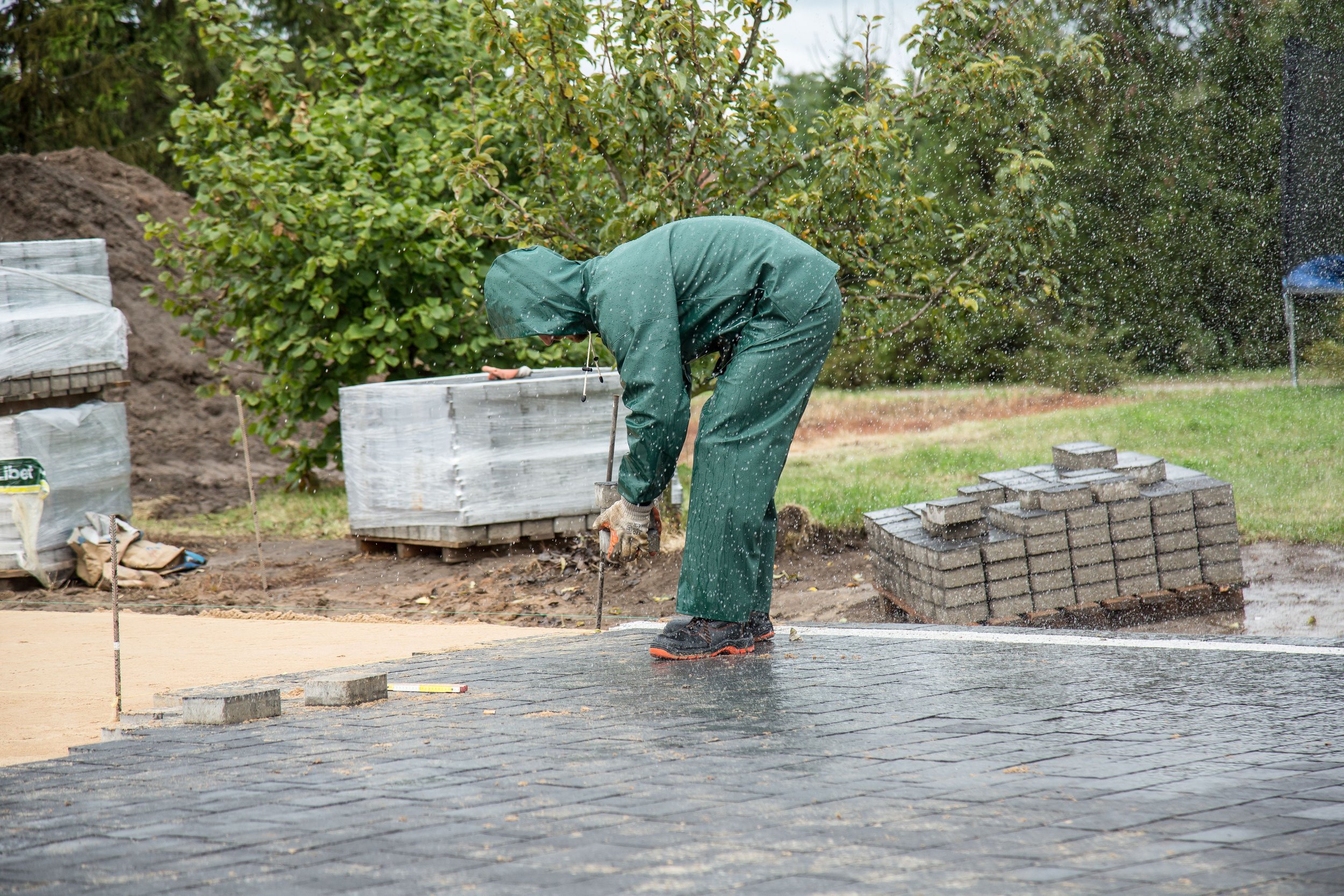
Not every project needs a separate landscape design phase.
If the scope is relatively straightforward and you already know exactly what you want, going directly to the appropriate contractor may make sense.
For example:
“Replace this 300-square-foot section with pavers.”
“Remove these shrubs and install these specific plants.”
“Replace the existing irrigation system.”
“Install artificial turf in this clearly defined area.”
In those situations, there may not be a significant design problem to solve.
You primarily need installation.
The more defined your project already is, the less design exploration you may need.
What If My Landscape Contractor Offers Free Design?

This is common, and it isn't necessarily a bad thing.
Many landscape contractors and design-build companies provide some level of design as part of the construction process.
The important question is:
What kind of design are you actually receiving?
Ask whether the service includes:
A complete overall layout
Multiple ideas or concepts
3D renderings
Material exploration
Planting concepts
Revisions
Furniture and outdoor living layouts
Plans you can review before signing a construction contract
The ability to take the design to another contractor
You may discover that the included design is everything you need.
Or you may discover that it's primarily a quick layout created to establish a construction estimate.
Neither approach is automatically wrong.
They're simply different services.
One Advantage of Designing Before Choosing a Contractor
Separating design from construction can give you something extremely valuable:
A clearer idea of what contractors are actually pricing.
Imagine asking three contractors:
“How much would it cost to redo my backyard?”
One imagines a large paver patio.
Another proposes concrete.
A third adds artificial turf and reduces the planting area.
You may receive three dramatically different prices, but you aren't really comparing bids.
You're comparing three different backyard designs.
Now imagine approaching those same contractors after you've established:
The approximate patio area
Fire pit location
Walkway layout
Planting zones
Turf location
Shade structure
Material direction
The conversation becomes much clearer.
Instead of asking:
“What would you do with my yard?”
You're asking:
“What would it cost to build this direction?”
That's a very different conversation.
Do I Need Both a Landscape Designer and Landscape Contractor?
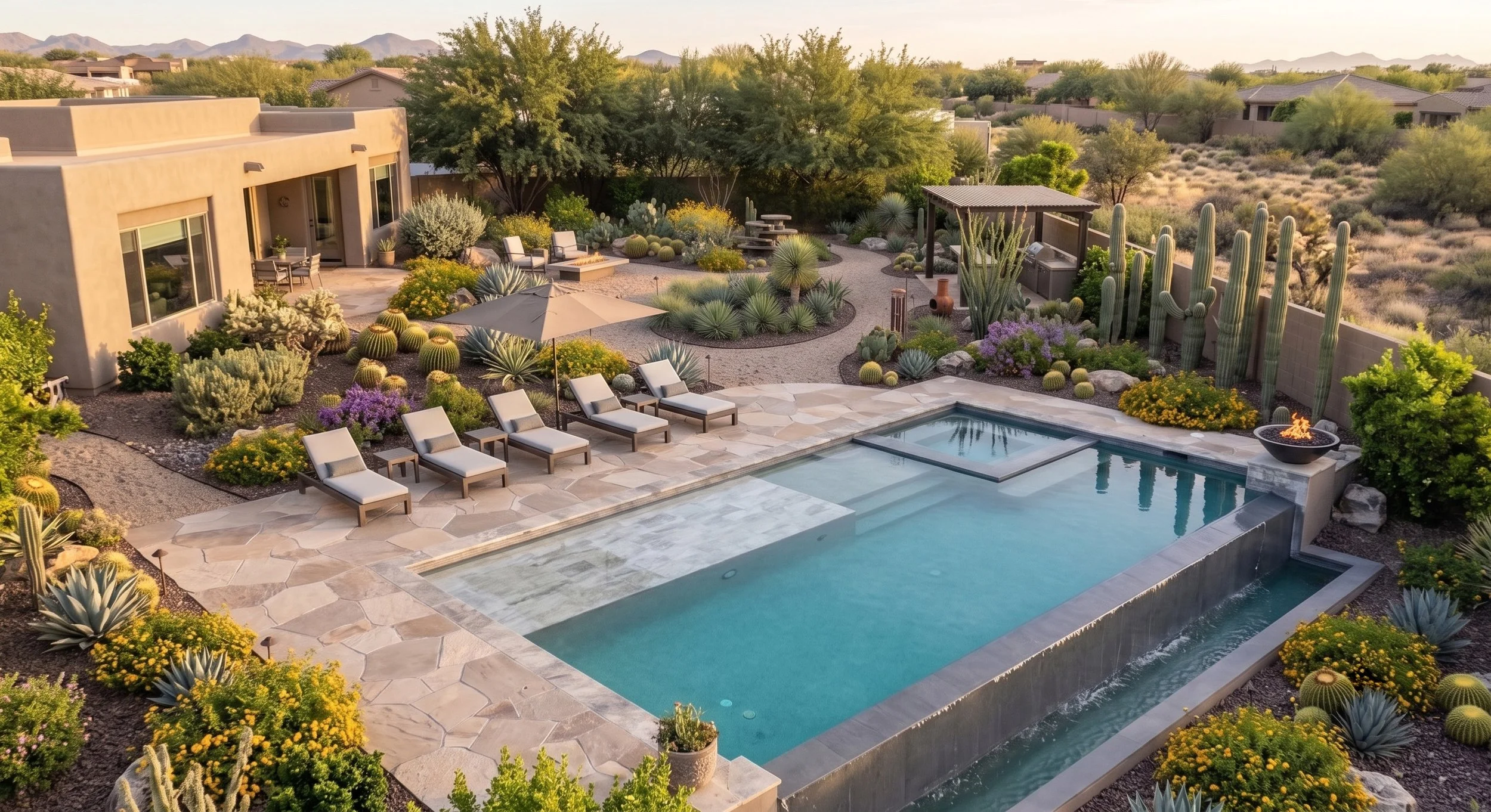
For a significant residential landscape renovation, often, yes.
But you don't necessarily need to hire both at the same time.
A logical sequence can look like this:
1. Understand Your Goals
Determine what isn't working about the existing yard and what you'd like the new space to accomplish.
2. Develop the Landscape Design
Work through layout, outdoor living areas, planting, materials, circulation, and the overall visual direction.
3. Refine the Concept
Make changes while they're still relatively easy to make.
4. Establish the Appropriate Level of Documentation
Simple projects may only need a strong concept. More complicated projects may require additional plans, technical information, engineering, permitting, or other professional services.
5. Obtain Construction Pricing
With a clearer design direction, appropriate contractors can evaluate the project.
6. Build the Project
The qualified contractor and necessary specialty trades turn the design into a physical landscape.
This sequence allows design decisions to happen during design and construction decisions to happen during construction.
What About a Landscape Architect?

There's another term you'll sometimes encounter:
Landscape architect.
A landscape architect is not simply another name for a landscape designer.
In Arizona, landscape architecture is a regulated profession, and registered landscape architects meet specific education, experience, and examination requirements.
For many residential landscape projects, homeowners may not require a landscape architect.
However, projects involving more complex technical issues, certain permitting requirements, grading and drainage challenges, significant structures, public spaces, or work requiring professional seals may require additional licensed professionals.
A landscape designer can be an excellent fit when the primary need is residential layout, aesthetics, planting, outdoor living, and visualization.
The appropriate professional depends on the project.
Phoenix Landscapes Benefit From Planning
Landscape design is especially important in Phoenix because our outdoor spaces have to respond to conditions that aren't always obvious from a beautiful inspiration photo.
A Phoenix yard may need to consider:
Intense summer heat
Western sun exposure
Shade
Water use
Desert-adapted planting
Irrigation
Reflective heat from hardscape
Drainage during monsoon storms
Pool placement
Block walls
Privacy
Seasonal outdoor use
Views from inside the home
For example, moving a shade tree or pergola a relatively short distance might dramatically change how comfortable an outdoor seating area feels during the afternoon.
Adding a large amount of hardscape may create more usable space, but it can also increase heat.
A plant palette might look beautiful in a photograph while being poorly suited to a particular exposure.
That's why a successful Arizona landscape isn't simply about choosing attractive plants and materials.
It's about organizing them intelligently.
The Biggest Mistake: Building Before You Know What You Want

One of the easiest ways for a landscape project to become expensive is to make major design decisions during construction.
The patio goes in.
Then you realize it should have extended another six feet.
The fire pit gets built.
Then you realize it's directly in the circulation path.
Plants are installed.
Then you realize there isn't enough screening.
The pergola goes up.
Then you discover the seating arrangement you wanted doesn't fit underneath it.
Construction is one of the most expensive places to experiment.
The design phase gives you permission to explore.
Move things around.
Try another layout.
Change materials.
Test different ideas.
Ask questions.
That's exactly when those conversations should happen.
How Desert Curb Studio Fits Into the Process

At Desert Curb Studio, our focus is helping homeowners develop the design direction before construction begins.
The process starts with a complimentary Discovery Call where we'll talk about your property, what you want to improve, what's currently not working, and what you hope the finished landscape will become.
Depending on the project, the design process can then explore things such as:
Overall landscape layout
Outdoor living spaces
Planting concepts
Hardscape direction
Shade
Fire features
Entertainment areas
Material selections
Design revisions
Broader landscape master planning
The goal isn't to replace the licensed contractors who will ultimately build the project.
It's to help establish what should be built in the first place.
Once the design direction is developed, homeowners can move into contractor pricing and construction with a much clearer picture of what they're trying to accomplish.
So, Do You Need a Landscape Designer or a Contractor?

Here's the easiest way to decide.
If you're saying:
“I know exactly what I want. I just need someone to install it.”
Start talking to the appropriate landscape contractor.
If you're saying:
“I know I want to improve my yard, but I'm not completely sure what the solution should be.”
Start with a landscape designer.
And if you're planning a larger transformation?
There's a good chance you'll eventually need both.
The designer helps you develop the vision.
The contractor helps you build it.
Getting those steps in the right order can make the entire process clearer — and help you make better decisions before construction begins.
Still Not Sure Where Your Project Should Start?
You don't need to have the entire project figured out before speaking with a designer.
In fact, that's often the reason to speak with one.
At Desert Curb Studio, the first step is a complimentary Discovery Call where we can talk through your yard, your goals, and what kind of design support may make sense for your project.
Whether you already have a long wish list or you simply know your yard doesn't feel right, that's enough to begin.
Start with a clear vision. Then build with confidence.
Schedule your complimentary Discovery Call with Desert Curb Studio.