
How to Improve Curb Appeal Without Redoing the Whole Yard
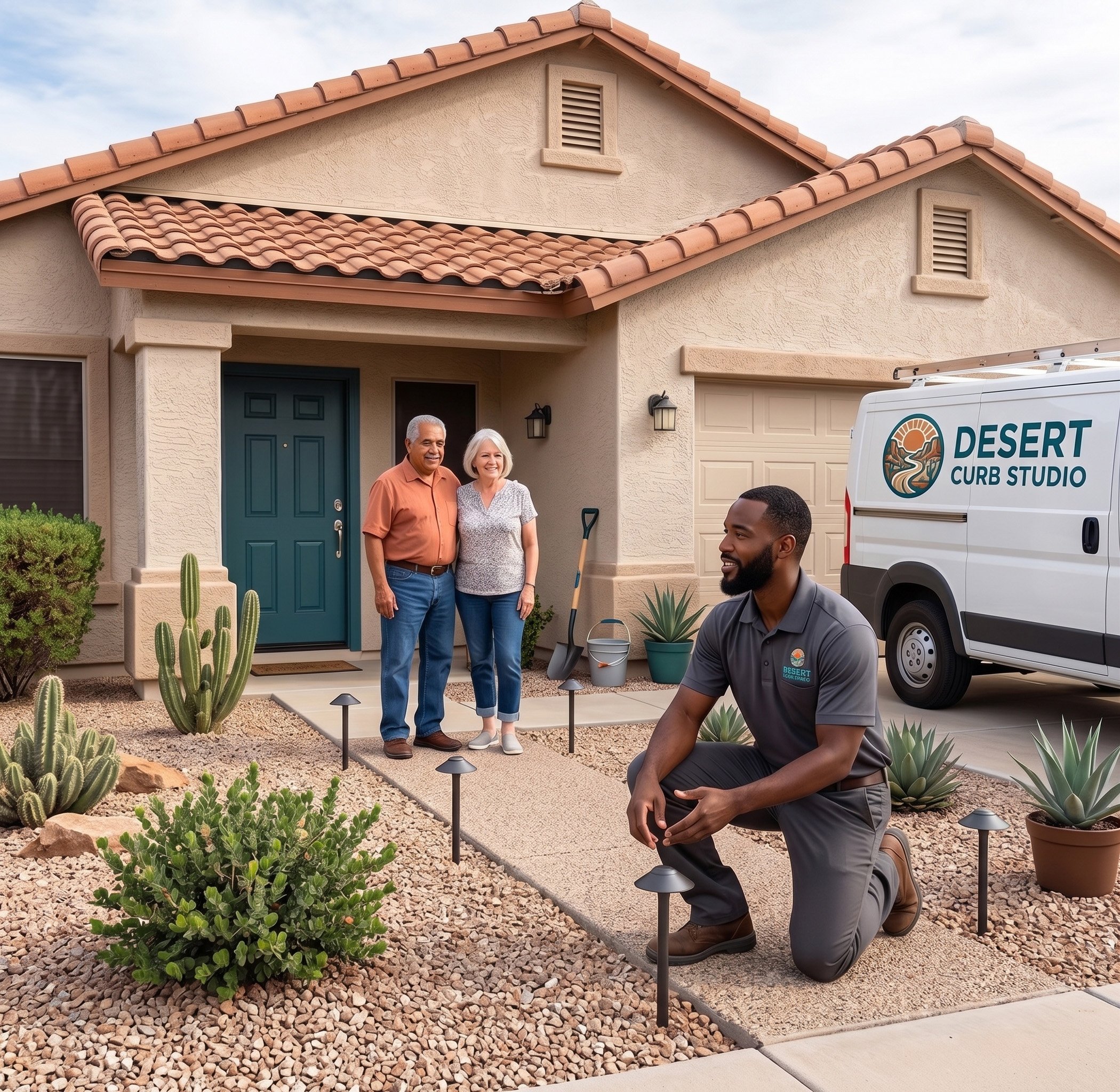
Improving your home’s curb appeal does not always mean tearing everything out and starting over.
In fact, some of the best curb appeal upgrades come from making focused, intentional changes that help the front of your home look cleaner, more welcoming, and more complete.
Many homeowners assume they need a full landscape redesign to make a big visual difference. But sometimes, the yard does not need to be completely redone. It just needs a stronger design direction.
Before you spend thousands of dollars replacing plants, adding hardscape, installing lighting, or hiring a full landscape crew, it helps to understand which changes will create the biggest impact.
That is where a curb appeal preview can help.
Instead of guessing what your home could look like, you can start with a visual concept and decide what is actually worth improving.
You May Not Need a Full Yard Redesign
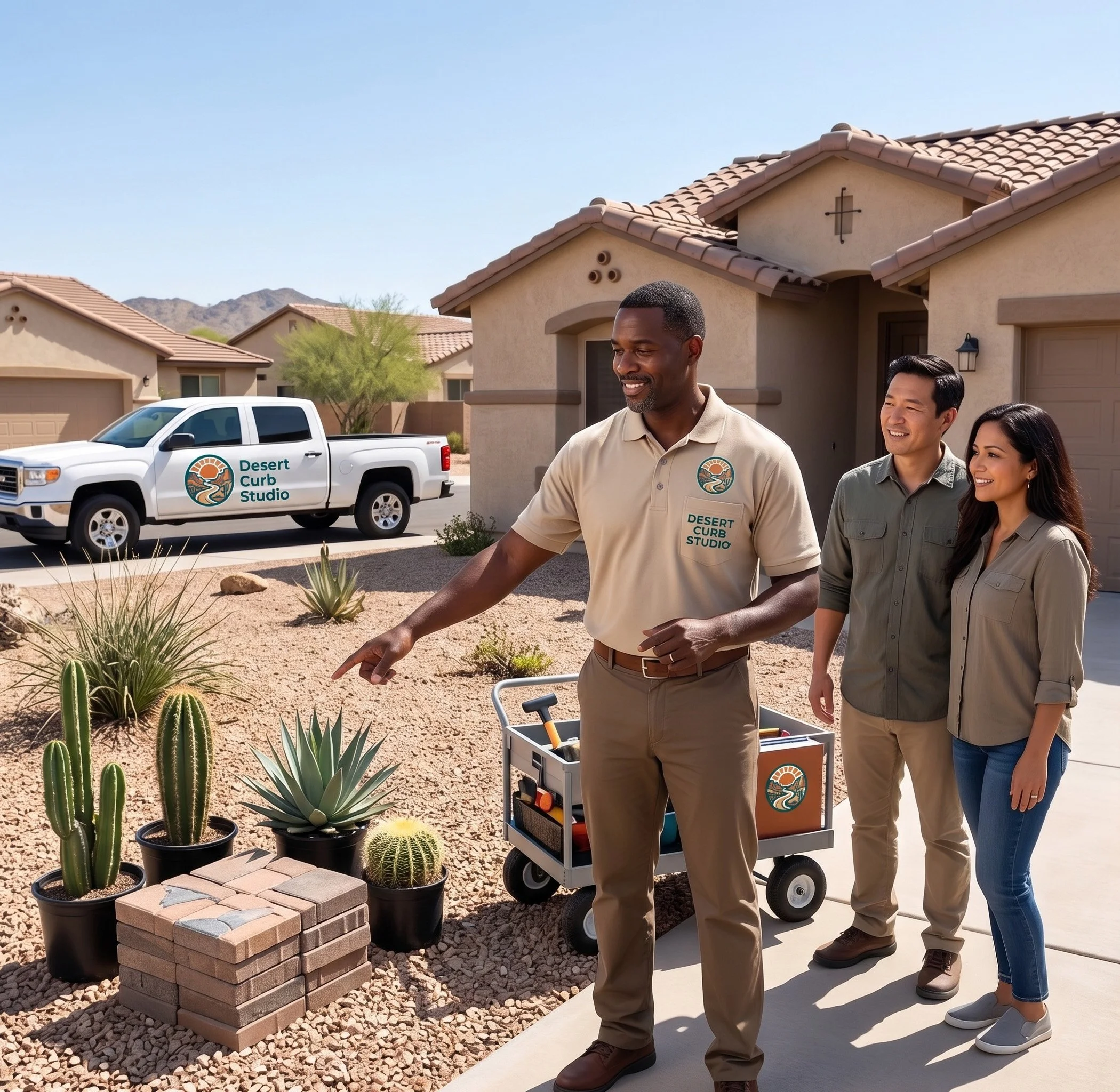
When a front yard feels outdated, plain, or unfinished, it is easy to think everything needs to go.
But that is not always true.
Sometimes the bones of the yard are still usable. The driveway may be fine. The walkway may work. Some existing plants may still be healthy. The gravel, boulders, trees, or edging might not need to be removed.
The real issue may be that the yard lacks structure, contrast, layering, or a clear focal point.
A full redesign can be useful when the layout is not working at all. But if your goal is to improve curb appeal, you may be able to make smaller upgrades that create a much stronger first impression.
The key is knowing where to focus.
Start With the Front Entry
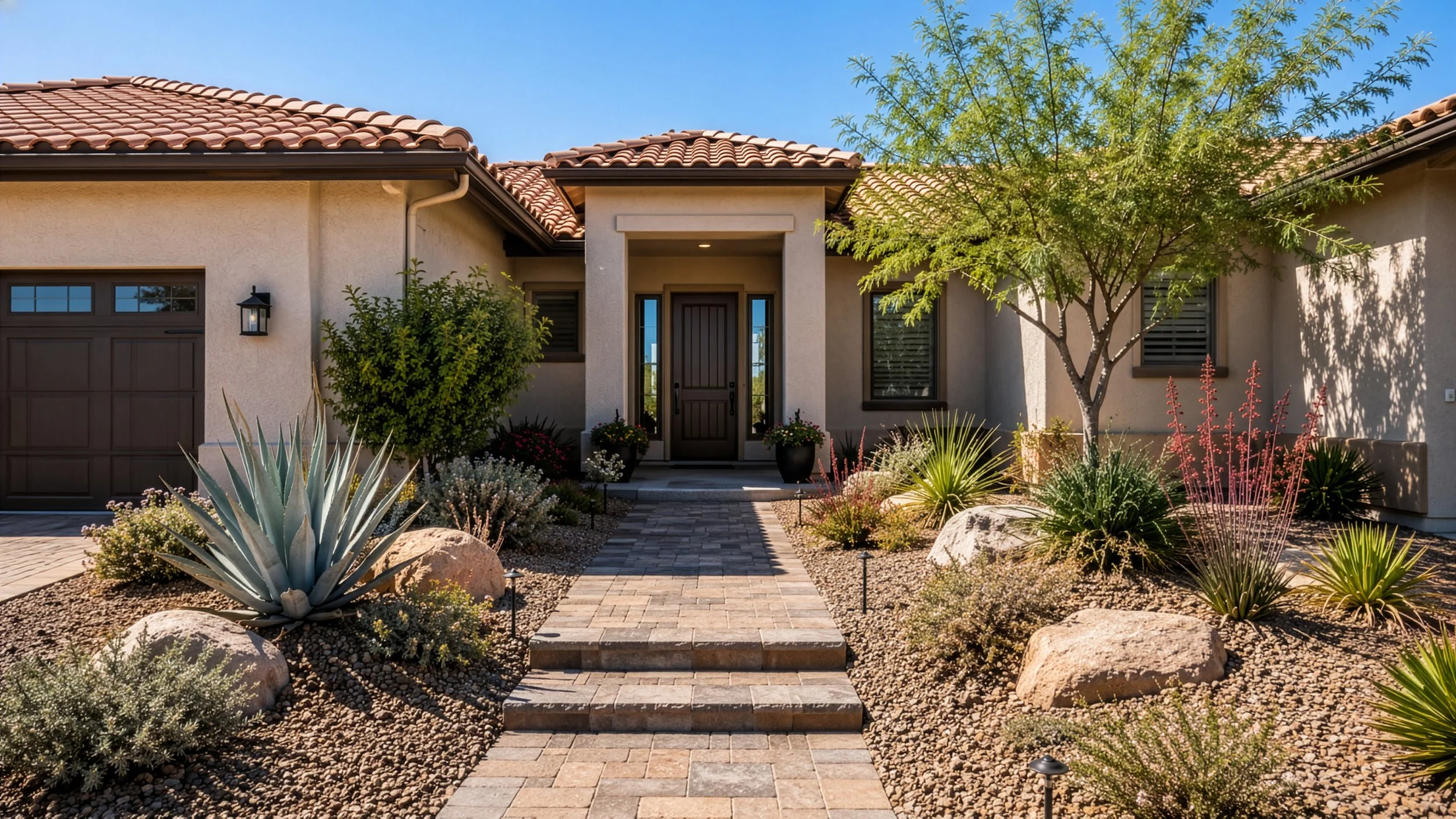
One of the most effective ways to improve curb appeal is to focus on the front entry.
The entry is where the eye naturally wants to go. If it feels hidden, flat, cluttered, or disconnected, the entire front yard can feel less inviting.
You can improve the entry without redoing the entire yard by adding simple upgrades like:
A cleaner walkway edge.
Fresh planting near the front door.
Decorative pots.
Updated lighting.
A stronger contrast between the door, trim, and surrounding materials.
Low-voltage path lights.
A small seating moment near the porch.
A defined planting bed that frames the approach.
The goal is to make the front door feel intentional.
Even if the rest of the yard stays simple, a stronger entry sequence can make the home feel more polished from the street.
Clean Up the Planting Layout
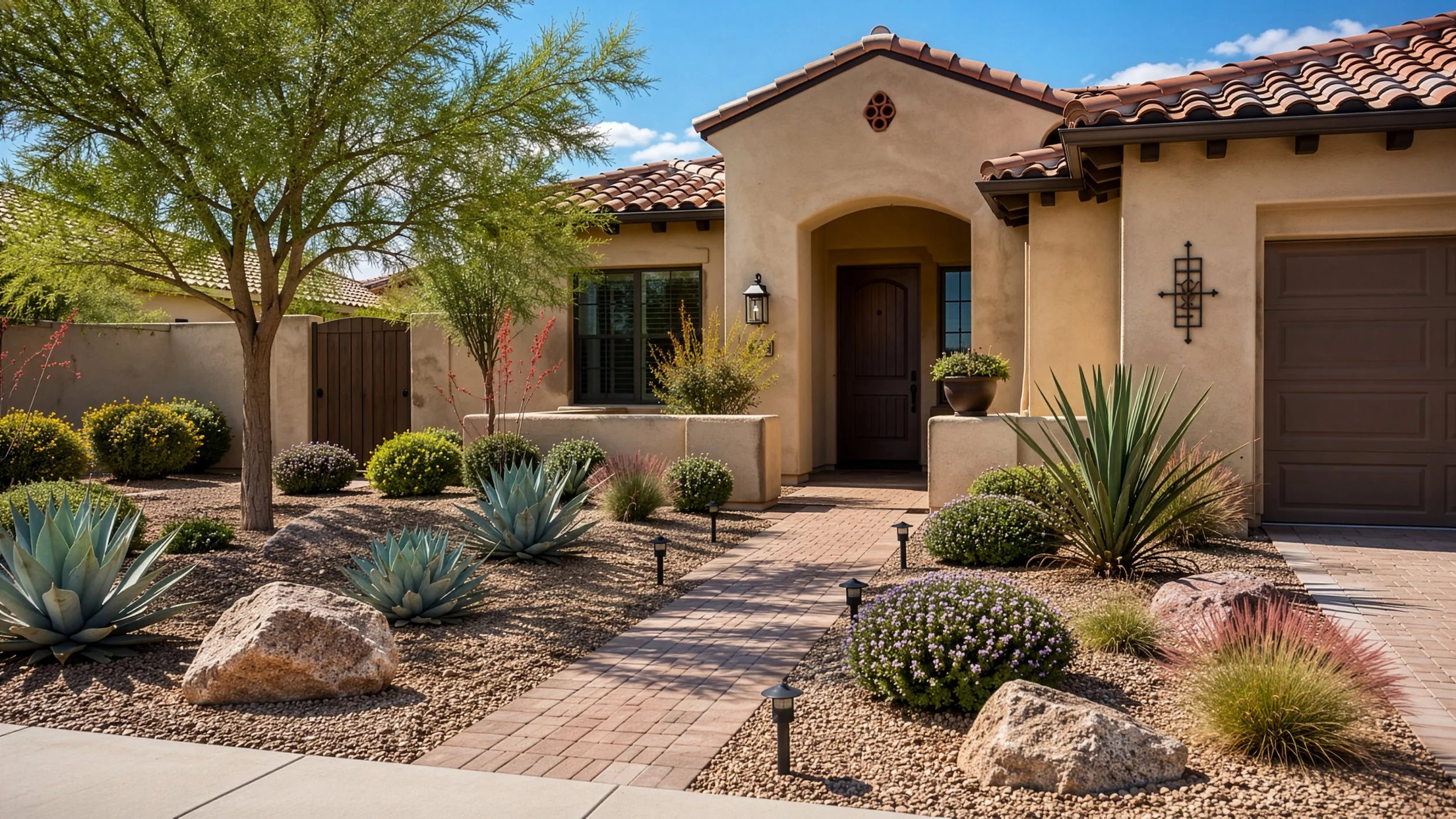
Planting has a huge impact on curb appeal, but more plants are not always the answer.
Sometimes the problem is not that the yard needs additional plants. It is that the existing planting feels random, overgrown, sparse, or poorly arranged.
Before replacing everything, look at whether the planting layout could be improved with selective changes.
You might remove tired shrubs, add a few stronger accent plants, create more spacing, or group plants in a cleaner rhythm.
For Arizona and desert-style yards, this can make a major difference. A front yard can feel much more designed when plants are arranged with intention instead of scattered across gravel.
Good curb appeal planting usually has a mix of heights, textures, and focal points. It does not need to be complicated. It just needs to feel balanced.
Add Contrast With Gravel, Rock, or Mulch
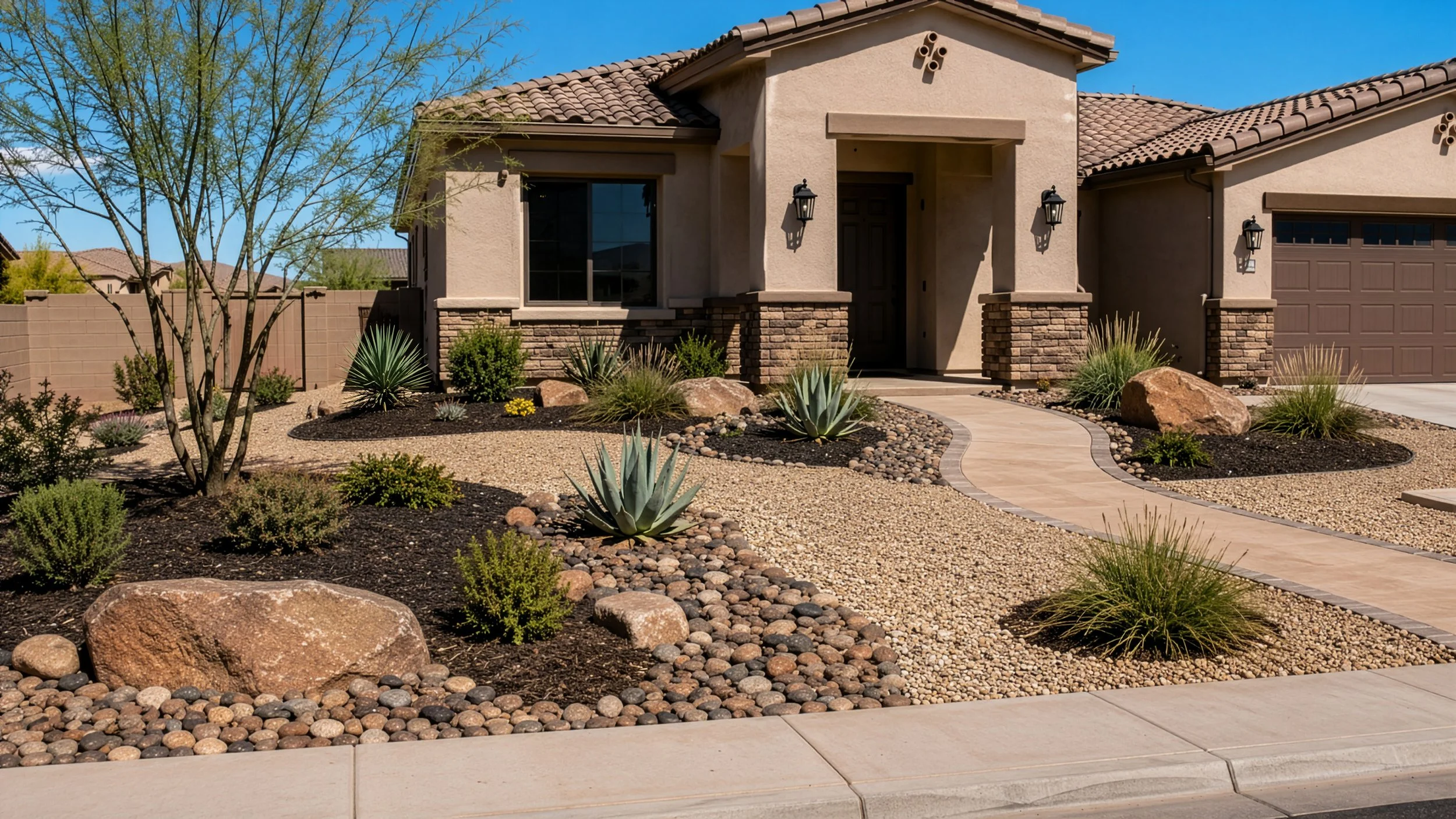
A yard can look unfinished when all the ground material feels the same.
In many Arizona front yards, one common issue is a large field of gravel with very little contrast. Even when the yard is low-maintenance, it can feel flat from the street.
You may not need to replace all the gravel. Instead, you can create visual contrast with smaller, targeted changes.
For example, you could add a slightly different rock color in a planting bed, use boulders to create focal points, refresh faded gravel near the front entry, or define areas with steel edging.
This helps the yard feel more layered without requiring a full rebuild.
The goal is not to make the yard busy. The goal is to create enough contrast that the home feels framed and finished.
Use Lighting to Make the Home Feel More Complete
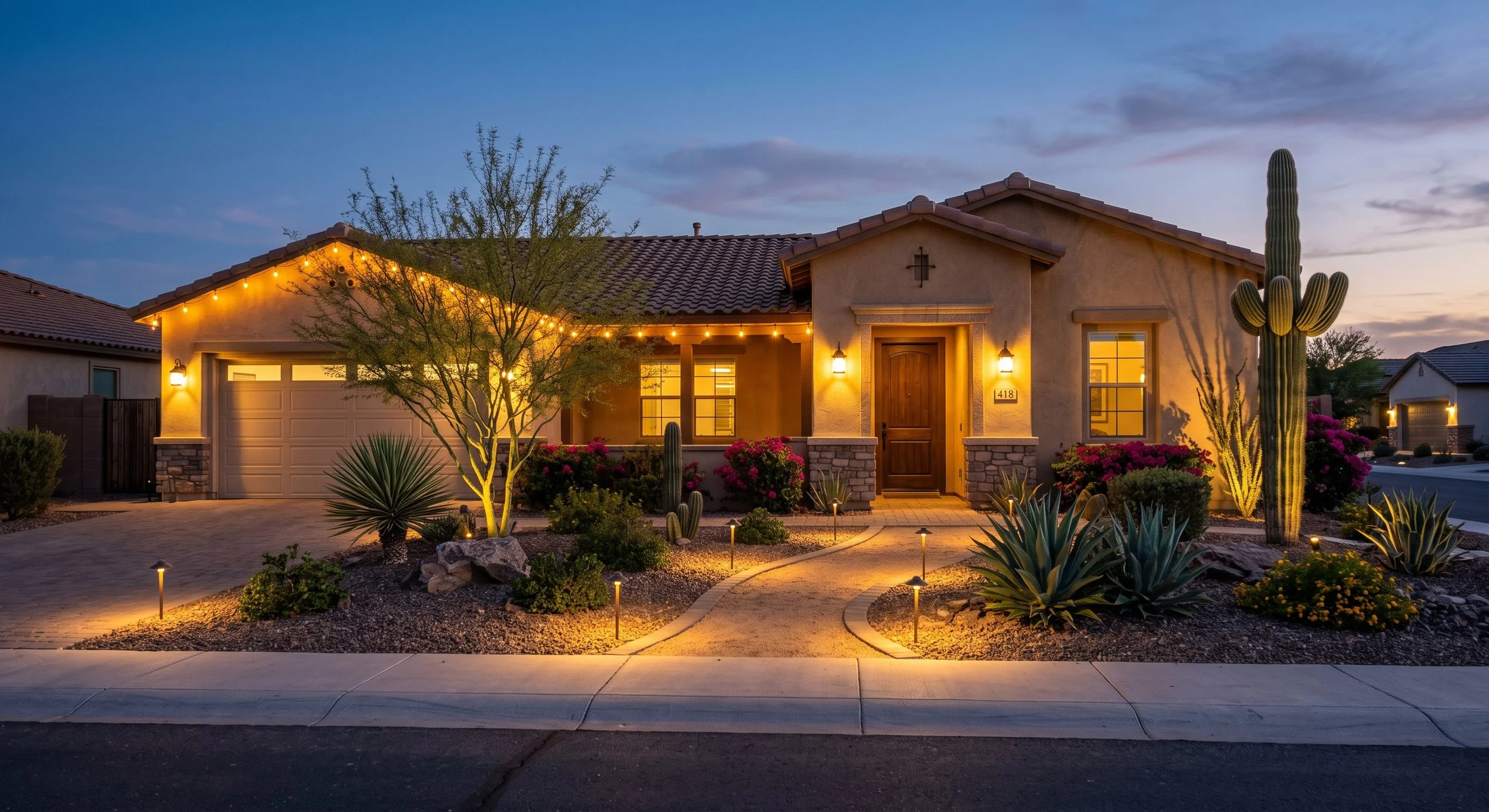
Outdoor lighting is one of the most overlooked curb appeal upgrades.
A home can look great during the day but disappear at night. With the right lighting, the entry, trees, walls, columns, or key plants can feel more intentional and high-end.
You do not need to light the entire yard.
A few focused lights can make a big difference.
Path lights can make the walkway feel safer and more welcoming. Uplights can highlight trees or architectural features. Soft lighting near the front door can make the home feel warm and cared for.
Lighting also helps with real estate presentation. If you ever plan to sell, evening or twilight curb appeal can help the home feel more memorable online and in person.
Improve the Walkway Experience
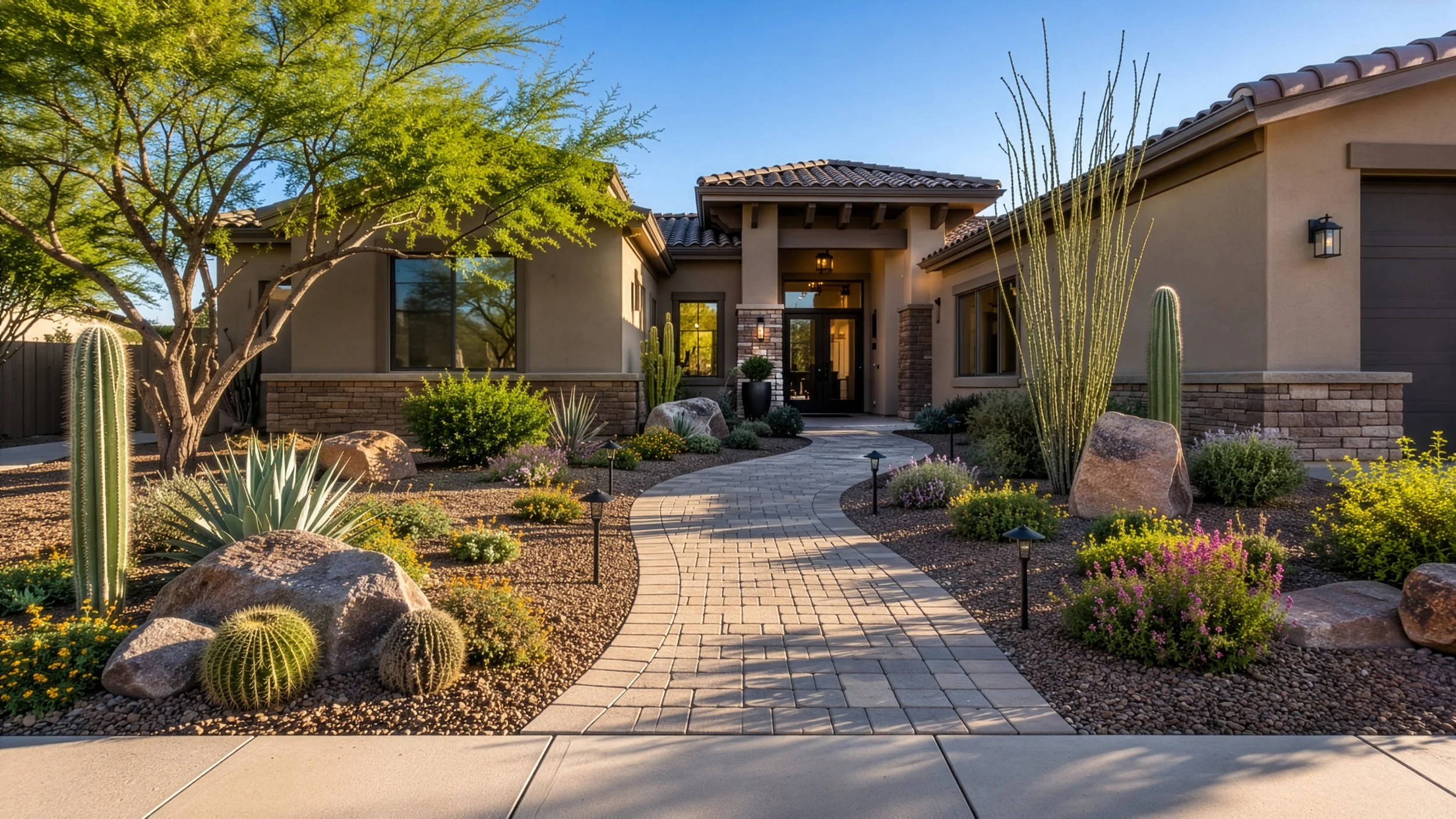
The walkway is more than a path. It is part of the first impression.
If the walkway feels narrow, cracked, hidden, or disconnected from the front door, the yard can feel awkward even if the landscaping is decent.
You may not need a brand-new walkway. Sometimes you can improve the experience by cleaning the edges, adding plants along one side, refreshing the gravel around it, adding lighting, or creating a stronger landing near the front door.
If the walkway truly feels wrong, then a new path may be worth considering. But even then, it is smart to preview the idea first before committing to demolition or hardscape work.
A simple visual concept can help you compare whether the existing walkway can be improved or whether a new layout would make a bigger difference.
Refresh the Areas Closest to the House
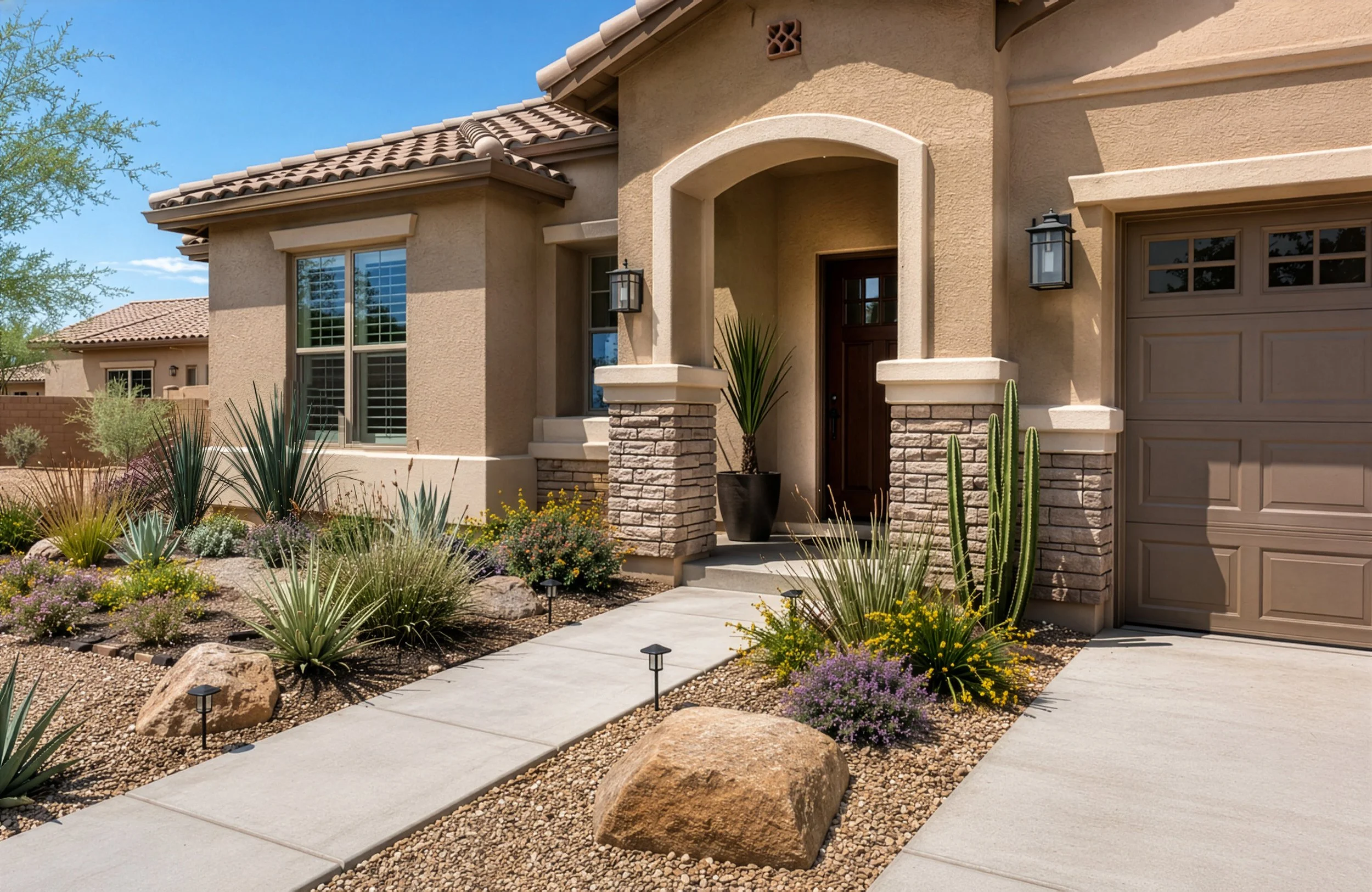
If you want to improve curb appeal without redoing the whole yard, focus first on the areas closest to the home.
These areas usually have the biggest visual impact because they frame the architecture.
Look at the space around the front door, porch, garage, windows, and foundation planting areas.
Could the home use taller plants near blank walls?
Could low shrubs soften the base of the house?
Could pots or accent plants make the entry feel more welcoming?
Could lighting make the architecture stand out?
Could a small seating area make the porch feel more finished?
These upgrades can change how the whole home feels without touching every part of the yard.
Remove What Distracts From the Home
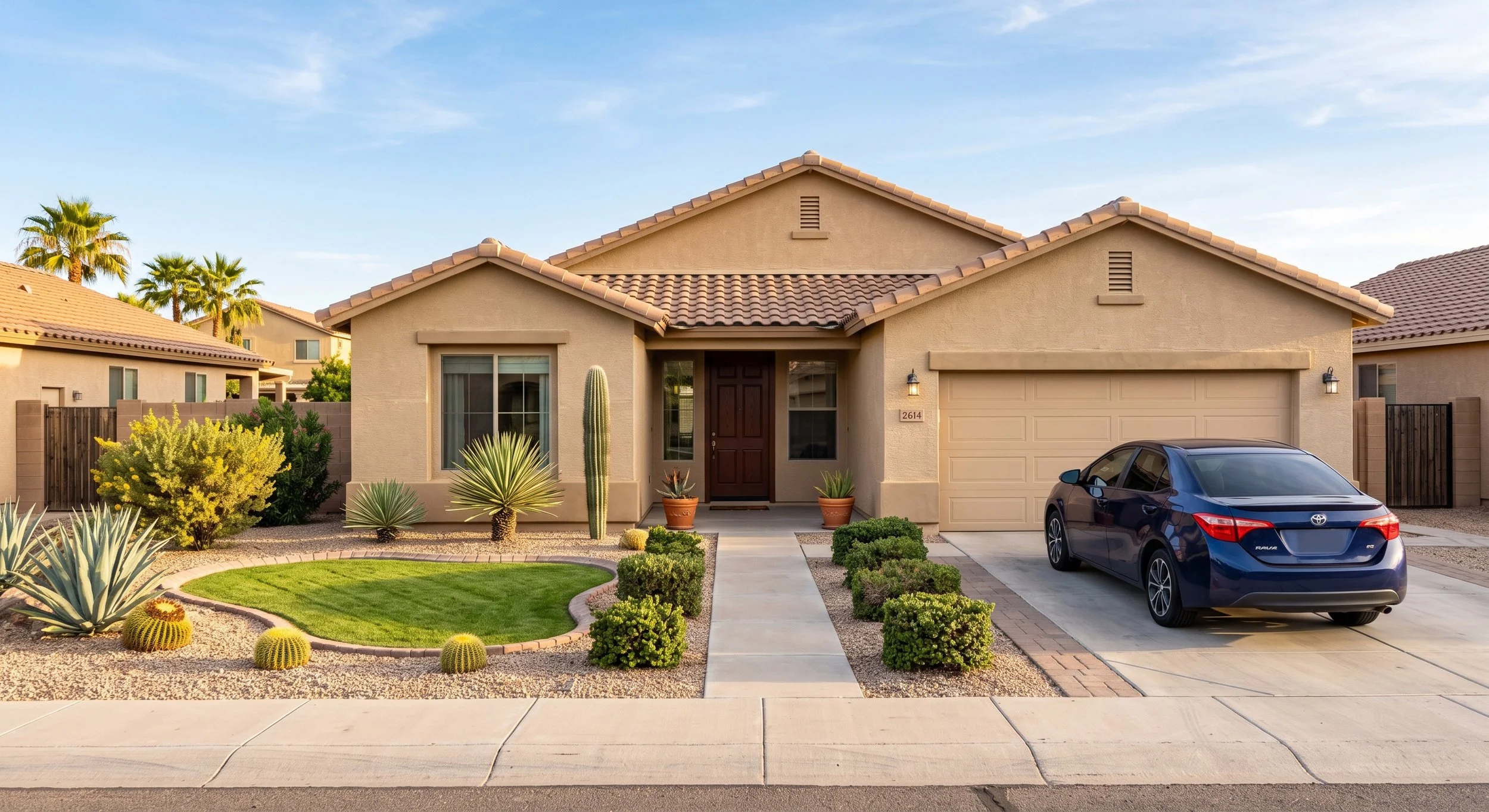
Sometimes improving curb appeal is less about adding and more about editing.
Overgrown shrubs, dead plants, faded pots, broken edging, patchy gravel, random decor, tangled irrigation lines, and mismatched materials can all pull attention away from the home.
A cleaner yard almost always looks more expensive than a cluttered one.
Before you spend money on major upgrades, consider what can be removed, simplified, or cleaned up.
This may include trimming plants, removing dead material, reducing visual clutter, cleaning hardscape, refreshing rock, or simplifying the plant palette.
A more edited yard can make the home feel newer, brighter, and better maintained.
Focus on One Strong Curb Appeal Moment
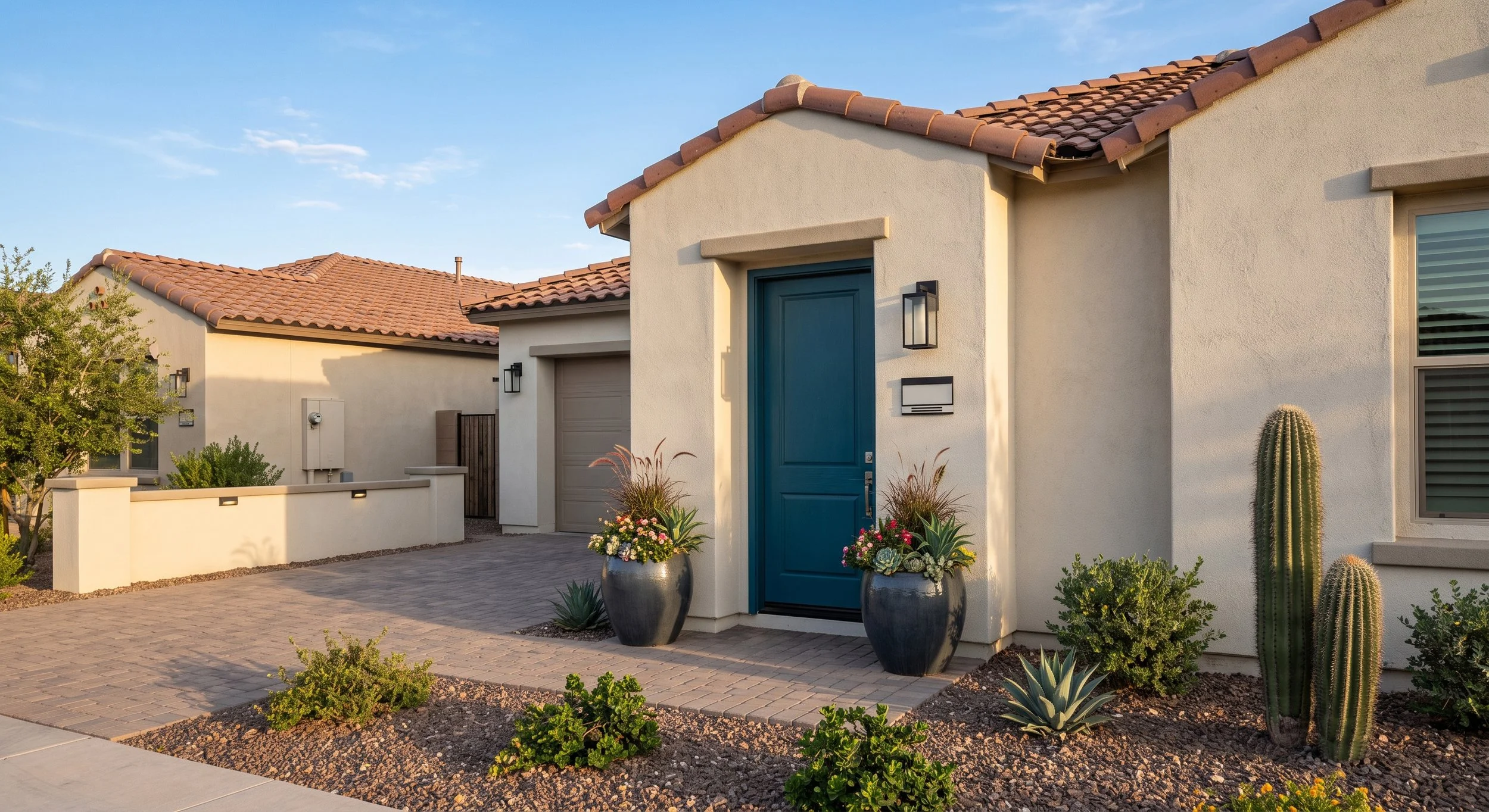
Not every front yard needs ten upgrades.
Sometimes it only needs one strong moment.
That could be a beautiful entry walkway, a bold desert planting bed, a pair of statement pots, a cleaner modern gravel layout, a small courtyard feel, or a lighting feature that makes the home stand out in the evening.
The strongest curb appeal improvements usually give the eye somewhere to land.
Without a focal point, the yard can feel flat. With one strong design moment, the entire front of the home can feel more intentional.
This is especially helpful if you are working with a limited budget.
Instead of spreading money thin across the whole yard, you can invest in the area that will make the biggest visual difference.
Why a Preview Helps Before You Commit
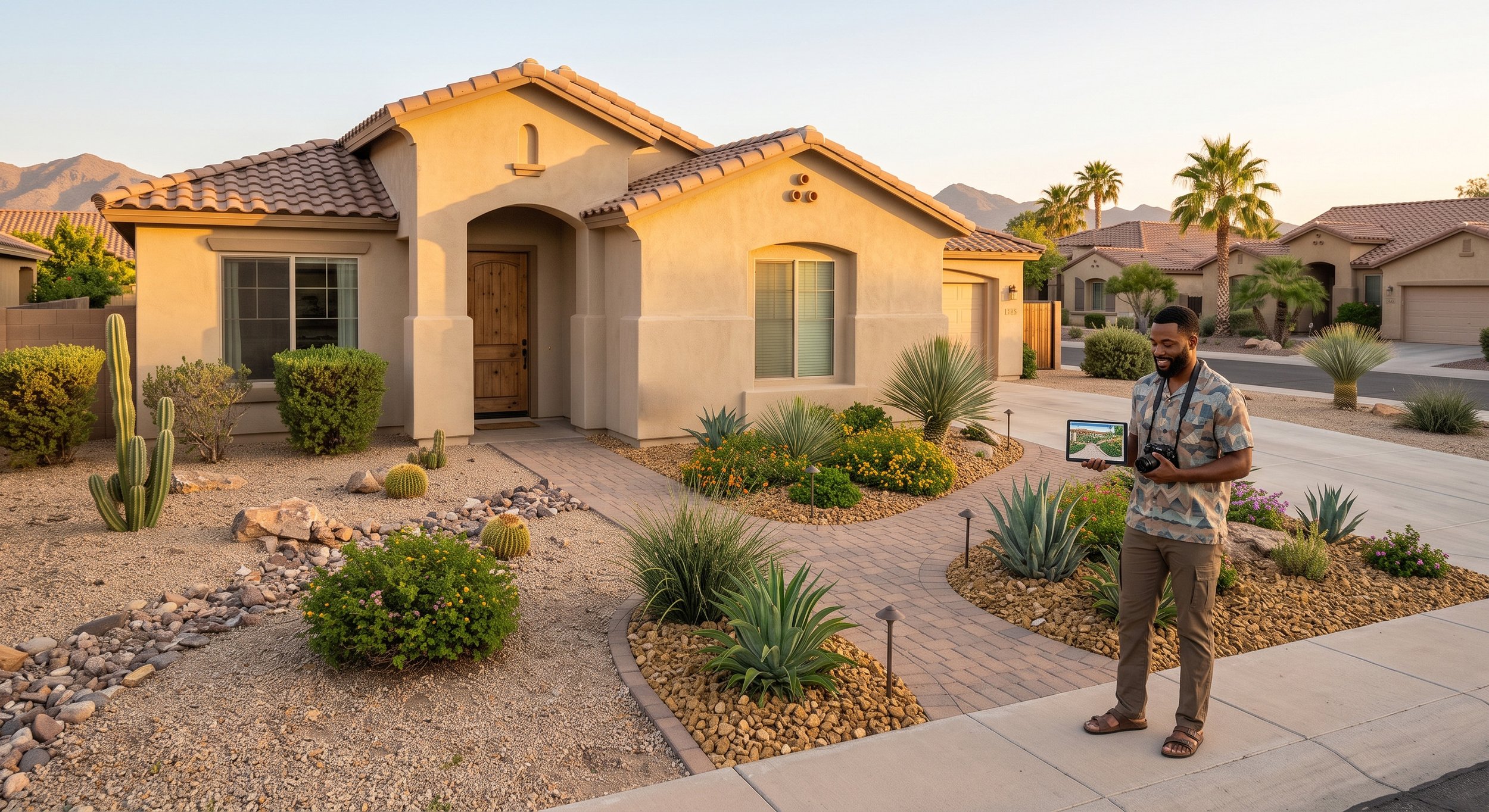
The hardest part of improving curb appeal is knowing what will actually work before you spend the money.
You might wonder:
Will this plant style match the house?
Will the gravel color look right?
Will lighting make a difference?
Should I focus on the entry or the whole yard?
Is this enough, or do I need a full redesign?
That uncertainty is why a preview can be so helpful.
A curb appeal preview lets you see the potential before committing to a full landscape redesign. It helps you compare ideas, narrow down the best direction, and avoid spending money on upgrades that may not create the look you want.
Instead of guessing, you get a clearer visual starting point.
That does not mean every detail is final. It means you have a direction you can build from.
Small Changes Can Still Create a Big First Impression
Curb appeal is not always about doing more.
It is about doing the right things in the right places.
A full yard redesign may be the best option for some homes, especially if the layout is not working or the yard has serious drainage, grading, or functional issues.
But many homes can look significantly better with focused improvements.
A stronger entry, cleaner planting, better contrast, updated lighting, refreshed gravel, or a more intentional focal point can completely change how the home feels from the street.
Before you assume the whole yard needs to be redone, take a step back and look for the highest-impact opportunities.
You may not need a full redesign.
You may just need a clearer vision.
Start With a Preview Before Committing to a Full Redesign
If your front yard feels outdated, unfinished, or underwhelming, you do not have to jump straight into a major landscape project.
Start with a preview before committing to a full redesign.
At Desert Curb Studio, we help homeowners visualize curb appeal improvements before they hire a crew or invest in major changes.
A preview can help you see what is possible, identify the upgrades that matter most, and move forward with more confidence.
Start with a preview before committing to a full redesign.